Call Us 00302241086730
Rhodes Island is one of those places that quietly steals your heart. Sitting proudly in the southeastern Aegean Sea, Rhodes blends sun-soaked beaches, medieval streets, and deep-rooted history in a way few destinations can. Whether you’re drawn by ancient ruins, crystal-clear waters, or laid-back island life, Rhodes delivers an experience that feels both timeless and welcoming.
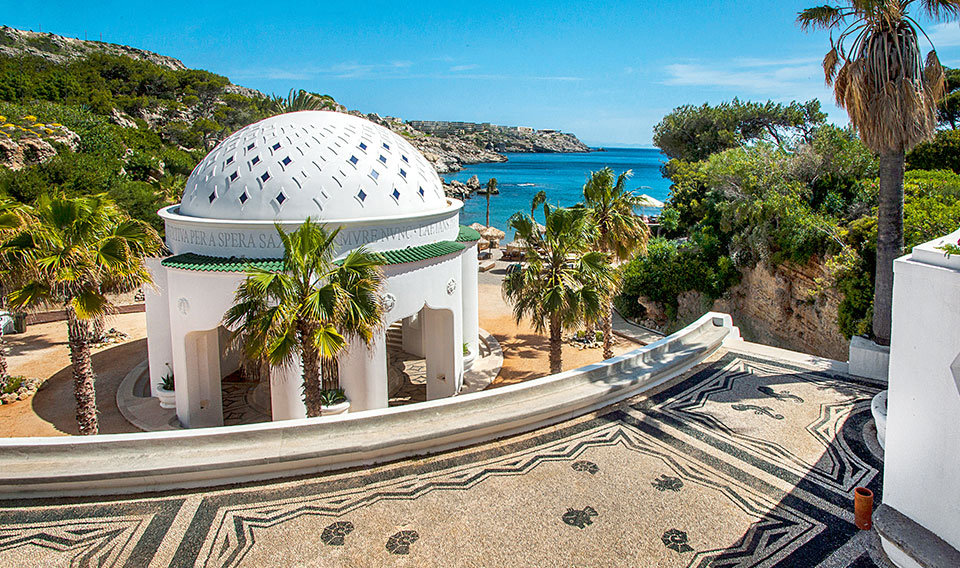
One of the most unique things about Rhodes Island is how effortlessly history lives alongside modern life. The Old Town of Rhodes, a UNESCO World Heritage Site, is not just a museum—it’s a living, breathing city. Walking through its stone-paved streets feels like stepping back into the Middle Ages, especially along the Street of the Knights, where medieval buildings remain beautifully preserved.
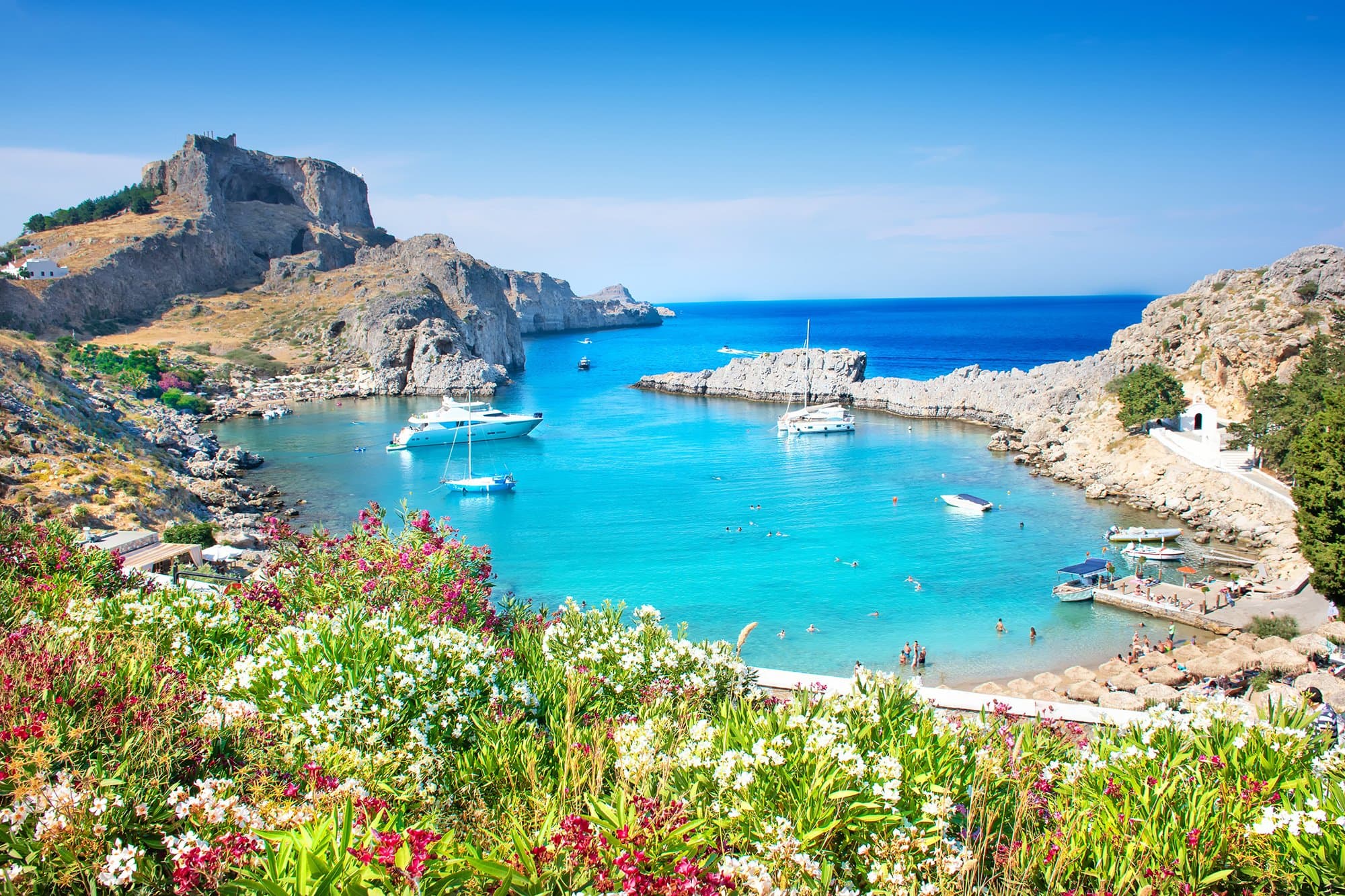
The island’s past stretches far beyond medieval times. From ancient Greek temples to Roman remains and Ottoman influences, Rhodes has been shaped by many civilizations. The Acropolis of Lindos, perched dramatically above the sea, is one of the island’s most iconic sights. The views alone are unforgettable, but standing among ruins that date back thousands of years adds a powerful sense of connection to the past.
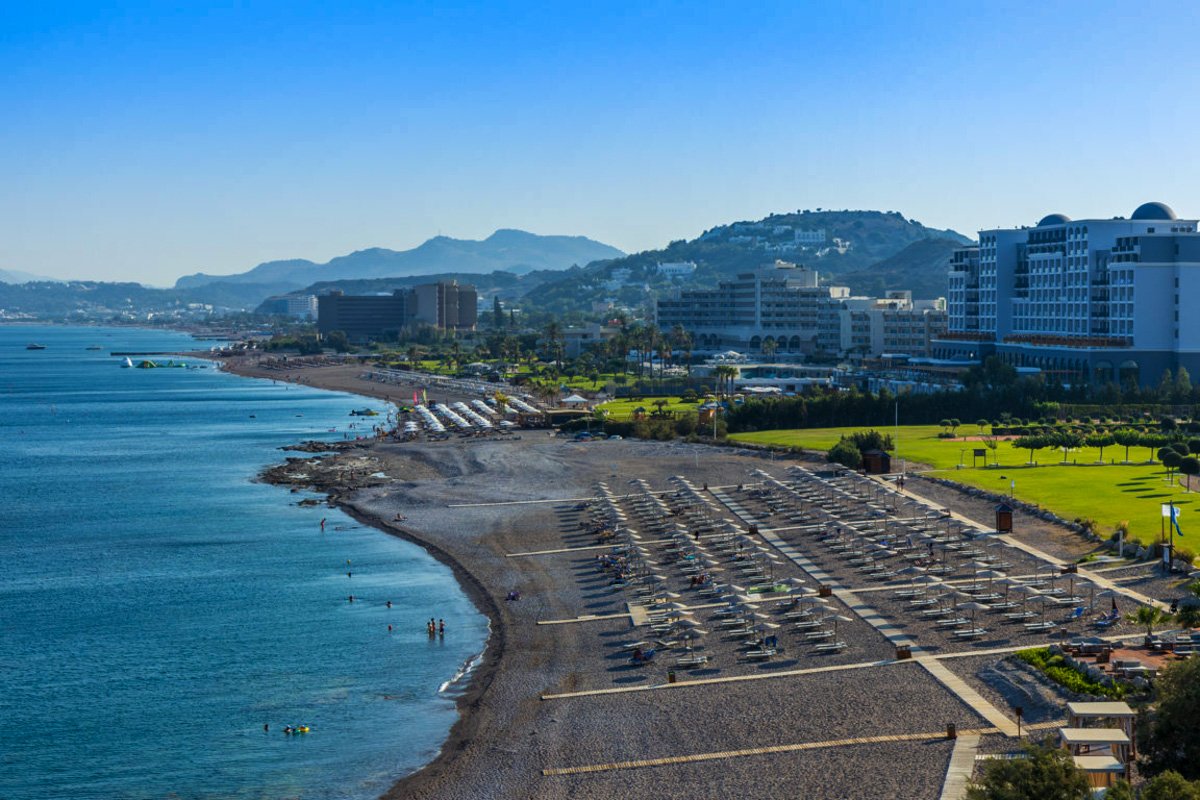
Rhodes Island is also famous for its incredible beaches, offering something for everyone. If you love lively beach scenes, Elli Beach near Rhodes Town is ideal, with beach bars, water sports, and easy access to the city. For travelers seeking peace and natural beauty, places like Agios Stefanos or Glystra Beach provide calm waters and a slower pace.
One of the most popular spots on the island is Tsambika Beach, known for its golden sand and clear turquoise waters. It’s perfect for swimming, sunbathing, or simply enjoying the view with your feet in the sand. On the other side of the island, Prasonisi attracts windsurfers and kitesurfers from all over the world, thanks to its unique meeting of two seas.
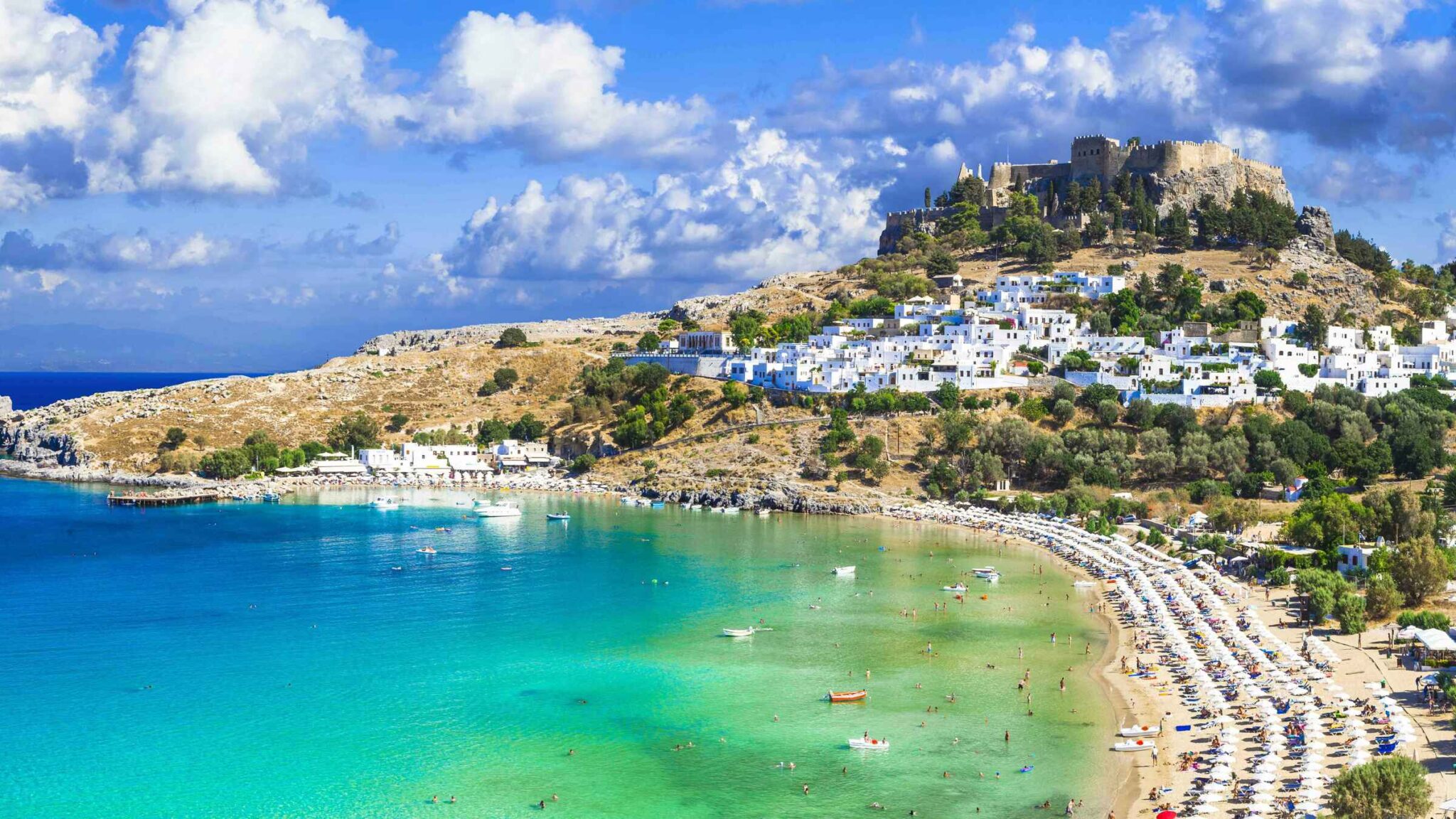
No visit to Rhodes Island is complete without spending time in Lindos. This charming village is famous for its whitewashed houses, narrow alleyways, and relaxed atmosphere. Unlike the busier parts of the island, Lindos has a peaceful rhythm that encourages you to slow down.
Small rooftop restaurants offer traditional Greek dishes with panoramic sea views, making dinner here especially memorable. As the sun sets and the village glows in warm light, Lindos becomes one of the most romantic places on the island.
Rhodes has its own distinct culinary identity, shaped by local ingredients and centuries of tradition. Fresh seafood, olive oil, honey, and herbs play a central role in Rhodian cuisine. Dishes like pitaroudia (chickpea fritters), slow-cooked lamb, and locally produced cheeses are must-tries.
Dining on Rhodes Island often feels personal. Family-run tavernas welcome guests like old friends, and recipes are passed down through generations. Pair your meal with local wine or ouzo, and you’ll experience not just Greek food, but Greek hospitality at its best.
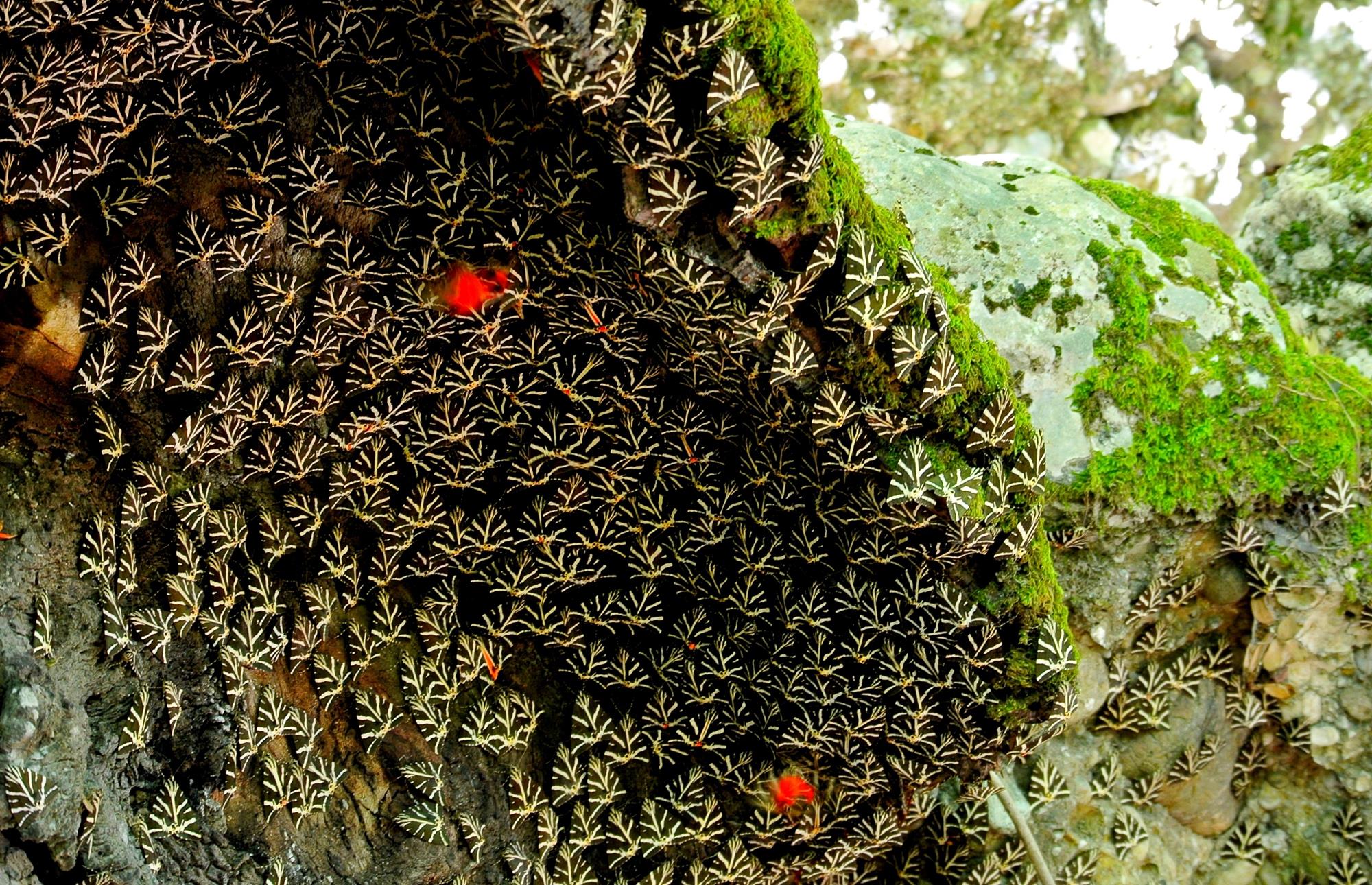
With over 300 days of sunshine a year, Rhodes Island is perfect for outdoor exploration. Beyond the beaches, the island offers green valleys, hills, and hidden paths waiting to be discovered. The Valley of the Butterflies is a peaceful natural reserve, especially popular during summer when thousands of butterflies gather in shaded areas.
Hiking, cycling, or simply driving through the countryside reveals a quieter side of Rhodes that many visitors miss. Small villages, traditional stone houses, and friendly locals remind you that island life moves at its own comfortable pace.
What makes Rhodes Island truly special isn’t just its sights—it’s how the island makes you feel. There’s a sense of balance here: between history and nature, excitement and calm, tradition and modern comfort. Whether you’re exploring ancient ruins, swimming in clear blue water, or enjoying a slow dinner by the sea, Rhodes invites you to be present.
Many travelers come for a holiday and leave with a desire to return. Rhodes doesn’t try too hard to impress; it simply offers authenticity, beauty, and warmth. And that’s exactly why it remains one of Greece’s most beloved islands.